#3 - Modern Rituals
Developing a Meaningful Routine
A meaningful routine distinguishes those who are merely excited about the path from those who are truly devoted to it. It’s about taking responsibility for your happiness and embracing change. Think about all the great people in history, from musicians to public speakers—they all had to constantly rehearse and repeat to master their art.
Creating a meaningful daily routine is essential for lasting growth. When you commit to a routine, you build habits that can transform your life and help you become the best version of yourself.
Our objective is to become people who live fulfilled and satisfied lives, filled with purpose, deeply connected spiritually, and happy. Achieving this requires a process of transformation, which can only be possible through dedicated daily repetition.
This guidebook is filled with insights designed to inspire and assist you in crafting a routine that reflects your unique identity. Use it as a foundation to build a personalized routine that truly resonates with who you are deeply within.
Power of Intentional Routines
Many of us might see routines as oppressive or restrictive, not realizing that we already follow certain routines in life—waking up at a similar time, eating, working, using social media, watching favorite shows, and so on. Often, we run these routines on autopilot, barely noticing as the week slips by and we start the cycle again.
Our goal is to enhance the quality of these existing routines and develop new ones that bring greater fulfillment and balance to our lives. By consciously improving aspects like sleep, nutrition, and physical activity, we can unlock more complex benefits and achieve lasting growth.
A healthy routine is the best path to achieving your goals. Nothing happens overnight, and the sooner you accept this, the more ease you will find in your life. Just like flowers, everything needs time to grow.
How to Stay Committed
Sticking to a routine can be challenging, especially when life gets busy or distractions arise. However, it’s important to remember that consistency is key.
What You Can Do:
On days when motivation is low, remind yourself of the long-term benefits of maintaining your routine. Always focus on the benefits of each practice, especially those that resonate most with you.
Reflect on WHY you started in the first place to reignite your motivation. If you’ve already identified your strong WHY, keep it visible to remind yourself daily. If not, as you progress through this book, you’ll be able to develop strong reasons to stick to what matters.
Keep track of your progress in a notebook or on your phone. Mark your streaks, and on days when you break the streak, reflect on whether there was a valid reason or just a moment of weakness.
Celebrate small victories along the way. It’s important not to feel forced into routines but to genuinely enjoy them. Having a healthy way to make achievements feel special can help reinforce them, making it easier to reflect and stay motivated when you need it.
Over time, the positive changes you experience will reinforce your commitment, making it easier to stay consistent. Remember that beginnings are often the hardest, but with time, staying committed becomes more natural. A great example is building a daily exercise routine—at the beginning, it might feel like something you definitely don’t look forward to, as it’s challenging, but with time, you’ll find that a day without exercise feels like a lost day.
Try to think about other ways that can help you in your journey to stay committed. It’s crucial to consciously choose activities that you enjoy and that aren’t overwhelmingly challenging, as a ritual can quickly turn into a dreaded habit. For example, if you know the importance of regular exercise and have strong reasons to do it, but the thought of going to the gym fills you with dread, consider alternatives like dance classes, martial arts, climbing, or even long walks.
Prioritise Conscious Lifestyle
It's essential to make sure that the elements of your daily routine are the most important things in your life, taking priority over any distractions or temptations that may come up. When you prioritize your routine, you're committing to a path that supports your well-being, mindfulness, and personal growth. This means your routine should come before other activities that might seem fun but could ultimately pull you away from your goals.
For example, when you receive an invitation to stay out late at a party, drinking and socializing until the early hours of the morning, it might be appealing at the moment. However, such choices can disrupt your routine and the balance you’ve worked hard to maintain. By choosing to stick to your routine instead, you're showing that your health, clarity of mind, and spiritual practice are more important than temporary pleasures.
This doesn't mean you can never enjoy social activities, but it does mean you should consider how these choices affect your overall well-being. Prioritizing your routine reflects a deep commitment to your personal growth and conscious lifestyle, making sure that your actions align with your values and long-term goals.
Moreover, habits should be considered as part of a healthy lifestyle, but also as ways to nurture mindfulness, deep reflection, and awareness. They should aim to cultivate a high state of consciousness that can be experienced during deep meditation sessions, psychedelic experiences, sensory deprivation, or spontaneous spiritual awakenings.
Here is my everyday routine for 2024:
Morning Routine:
6:00 – 8:00 Wake up – I aim to wake up naturally or with a minimal, gentle alarm, ideally around 6 AM, though my natural rhythm varies between 6 – 8 AM. Waking up at a regular time helps create a sense of readiness for the day and sustains strong willpower. It's important for me not to fall into the trap of scrolling through social media first thing in the morning, as it can disrupt energy.
Write dreams down – While still in bed and in a relaxed state, I recall the details of my dreams and write them down. Over time, this helped me gain insights into often hidden parts of myself and offered guidance in waking life greatly supporting spiritual evolution.
Set intention for the day – I remind myself to try to be the best version of myself each day, which helps me stay committed to a conscious lifestyle.
Morning Spiritual Practice – This includes Asana (yoga postures), Pranayama (breathing practice), Pratyahara (sense withdrawal), Dharana (concentration), and Dhyana (meditation). Each session consists of active yoga movements (Asana). Once my body is prepared, I connect with Pranayama, opening myself to deeper processes, as breath works as a gateway. I then close my senses by scanning my surroundings and slowly moving my attention through my body (Pratyahara), focusing on my forehead (Dharana), and finally meditating at the crown of my head (Dhyana).
Prepare warm brew – This is an easy way to activate the process of defecation and support detoxification. My favorite and simplest one is a brew of organic ginger, lemon, and turmeric, which wakes my digestive system, cleanses the body and reduces inflammation. I often reach for ready herbal teas as well.
Morning toilet – I often take a relaxing bath with salts, sometimes a cold shower. I wash my hair with specialized shampoo and conditioner, brush my teeth and tongue, wash my face, and apply oils to my hair and face.
Breakfast or Skip breakfast every other day – I either have a short, simple breakfast, usually organic scrambled eggs on real butter, with whole-grain bread, cottage cheese, onion, and some salad or vegetables on the side, alternatively healthy low sugar protein granola on plant milk, embracing mindful eating. Alternatively, I skip breakfast to support detoxification and the process of autophagy (the body's way of cleaning out damaged cells).
Supplements – Every other day, I take a set of vitamins, micronutrients, omega 3-6-9, and strong multi-strain probiotics. On alternate days, I take coconut charcoal and Ayurvedic herbs to support detoxification and the process of eliminating harmful parasites. Also experimenting with microdosing psilocybin and nootropic mushrooms.
Midday Routine:
Practice Daily Mindfulness – I stay dedicated to maintaining an observant, mindful state, paying attention to my thoughts, feelings, behaviors, body reactions, and speech. Initially, this required conscious effort, but now it has become more natural, allowing me to sustain a subtle, peaceful mind throughout the day.
Practice Yamas and Niyamas – In my interactions with myself and the world, I strive to follow the yogic principles of Yamas (ethical disciplines) and Niyamas (personal observances). These principles guide me in cultivating virtues like non-violence, truthfulness, and contentment, which help me live in harmony with others. By integrating these practices into my daily life, I aim to foster a deeper sense of integrity and inner peace, allowing me to navigate life with mindfulness and compassion. These practices serve as a foundation for my spiritual growth and contribute to a balanced and conscious lifestyle.
Work – This is the first work window of my day, where I focus on the most demanding tasks for about 4 hours. I usually take a short break or two, during which I may nap, gaze out the window, or simply do nothing.
Lunch – For lunch, I prefer options that save cooking time, such as eating out, consuming food that I prepared in advance and that can last in the fridge for up to three days, or enjoying healthy protein shakes mixed with various grains, which are packed with proteins and healthy fats.
Snack – During the day, I often munch on healthy dried fruits, nuts, or fresh fruits.
Nap or Relaxation – Around 16:00, I typically experience a low energy point. I take a 1.5-hour nap or engage in something relaxing and non-stimulating.
Work – This is my second work window, during which I take things more slowly, depending on my energy levels. I focus more on reflective and planning tasks.
Evening Routine:
Gym (lots of water) + Shower – Over the years, I have developed a personal gym routine. It includes a short cardio session followed by either an A or B routine, where A focuses on the upper body and B on the lower body. This typically lasts 30-60 minutes. I like to experiment and from time to time I try new approaches. I consciously remind myself to drink a considerable amount of water during and after my workout.
Healthy smoothie – My last meal of the day is usually around 20:00 or slightly earlier. I blend different types of greens with water.
Free time relaxation – This is a time to relax, spend time with my wife, play board games, or watch a good movie or anime.
Gratitude + Journaling – I practice gratitude by writing down three things I am grateful for, as it's impossible to be unhappy and grateful simultaneously. I also reflect on the quality of my actions of this day through journaling. There are also other self-analysis processes that I often follow. Although I use an app on my phone, many people suggest using an ordinary notebook and pen. This habit allows me to practice a reflective state of mind, which carries many benefits.
Reintegration of Scattered Self – This process involves scanning my energetic body and carefully examining areas that feel less intense or blocked. I focus on these areas, allowing myself to melt into them and inviting situations from my life that may have caused disturbances in the natural energy flow. By re-experiencing these circumstances multiple times, the emotional impact gradually loosens. This allows the trapped energies within those situations to be reintegrated, restoring balance and harmony to my energy flow. This practice has proven to have a powerful and positive impact on accelerating spiritual evolution.
Regenerative Sleep – Through energy work, I transition into deep sleep. I aim to sleep between 22:00-23:00, widening my room, keeping it dark, and using a face mask and earplugs.
Every Sunday, I practice the Dynamic Meditation Technique with other practitioners during live classes. We’d love for you to join us! 😊 Click the link to participate.
It might seem that my routine is like a lot, but I have plenty of time between tasks, and I never feel rushed or stressed. It's important to include buffer time between tasks to take things easy. Over time, following this daily rhythm has become natural for me, whether I'm traveling to other locations or on vacation. I always do my best to stick to this plan.
It's crucial that even if I feel like the day isn't ideal for, say, morning yoga, instead of skipping it altogether, I go for a slower, more calming session lasting 5-15 minutes. It's important to go with the flow of life, as not always we might feel high energy.
Infusing Magic Into Your Routine
Once you start choosing activities that align with your conscious daily routine, or you improve your current routine through proactive search and insights from the following pages of this guidebook, it’s time to talk about something special: adding a bit of spirituality to your daily activities through "modern rituals."
When we refer to modern rituals, we’re not talking about occult practices. Instead, modern rituals are a series of acts performed in with intention, presence, and meaning, infusing them with a spiritual feel.
When we think of rituals, we often think of sacrifices. In modern rituals, sacrifice also plays a role, but it's about making choices. We choose something that promises a better future and long-lasting happiness over temporary satisfaction. We choose to sacrifice the meaningless in exchange for the meaningful. So instead of mindless scrolling on social media, or getting wasted on Friday, choose something that will allow you to become a better version of yourself.
Rituals differ from habits in their intentionality. While habits are actions performed regularly, often without much thought, rituals are imbued with a sense of sacredness and purpose. For example, brushing your hair can be a mindless habit, or it can become a ritual if done with full presence and intention. The ritual involves slowing down, focusing on the present moment, and immersing yourself in the activity.
Creating Your Rituals
To transform your routine into meaningful rituals, start by setting aside specific times and spaces dedicated to these practices:
Sacred Time: Establish a consistent time for your rituals. This regularity helps to embed them into your life and reinforces their importance. Find a balance in this, between being motivated and focused to maintain joy and willingness to engage in the ritual.
Sacred Space: Create a physical and inner space that supports your rituals. Prepare mentally that you are going to engage in something that you truly care about. This space should evoke feelings of love, intention, and sacredness, making the experience unique and magical.
Sacred Immersion: Slow down, breathe deeply, and focus entirely on the activity at hand. By immersing yourself in the present moment, you elevate a simple task into a powerful ritual.
Day Blocks
To effectively support your planning process, break your activities into smaller, manageable blocks. Each block should contain a set of actions that you can repeat daily.
Morning Ritual:
Mornings are especially powerful because they allow you to set the tone and energy for the entire day. You’ll notice a significant difference in how the rest of your day unfolds when you start with positive morning rituals versus when you skip them or engage in destructive habits. Morning rituals give you the chance to nurture conscious, mindful energy that you can carry with you throughout the day.
During the Day Ritual:
This is usually the time when you step into the outside world, where you’ll often be tested on how much of your deep understanding you truly carry within. You will interact with different people, each expressing various qualities—some of which may not be of the highest vibration. It’s important to stay mindful of your behavior, thoughts, speech, and body during this time.
Evening Ritual:
Evenings naturally lend themselves to reflection, unless we disrupt that flow. This is an excellent time to reflect on the quality of your actions. Consider what you could do better next time. Reflect on your life goals, commitments, focus, and distractions. Analyze your experiences to gain lessons that you can apply moving forward. Keeping dairy is also a great way to spot reoccurring patterns.
Habit Trackers
It's often said that it takes an average of 21 days—or 3 weeks—to develop a habit, and the same goes for modern rituals. However, it’s important to note that in some cases, it might take much longer, especially if you don’t enjoy what you’ve chosen to do. So, make sure that the habits you’re trying to form are genuinely meaningful to you.
In the midst of life’s busyness, it’s easy to forget to follow our plans. That’s why it’s recommended to use tools like calendar apps on your phone, to-do lists, or habit trackers.
Personally, I use a calendar app with reminders. I set my activities as recurring daily events and prioritize those that are especially important to me. It’s crucial to take things easy with joy and fun and remember that we want to maintain a sense of sacredness while embracing new routines.
A calendar app has an advantage over a regular to-do list because it helps create a more organized day. By adding buffer time between activities, you allow yourself to take a breath and really enjoy each moment.
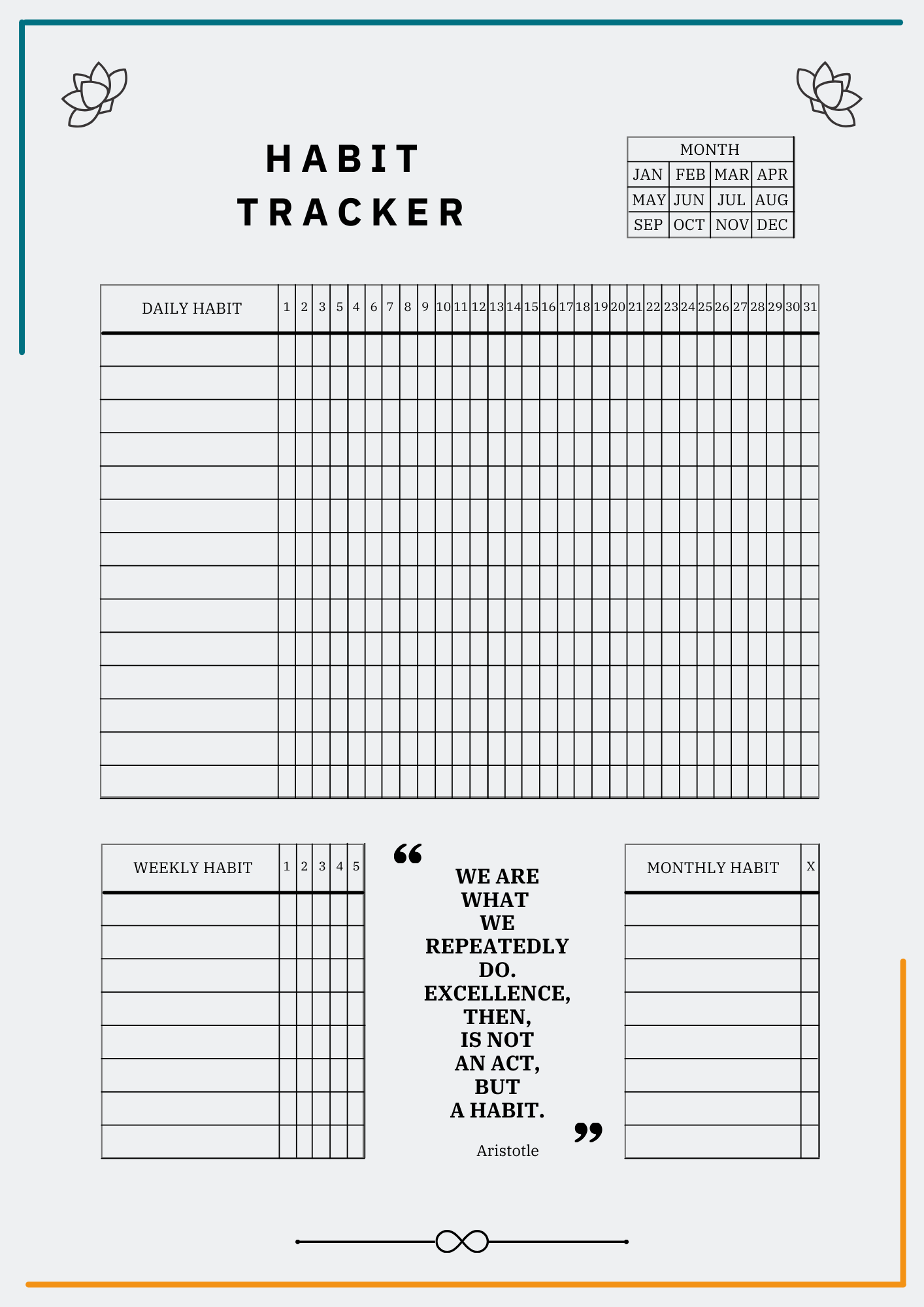
Additionally, you can use habit trackers, like the one provided below, to help you monitor your progress. Tracking your streak can be a powerful motivator, as it shows you how far you’ve come and encourages you to stay on track.
How to Use the Habit Tracker to Track Progress:
Print the Habit Tracker: Print the habit tracker provided below and place it somewhere visible to keep it in sight. This will serve as a constant reminder to stay on track.
Write Down the Habit: Identify the habit you want to develop and write it down in the tracker. You can categorize it as a Daily, Weekly, or Monthly habit. Start slow—don’t overwhelm yourself with too many goals or overly demanding activities. The goal is to make the process feel as effortless as possible.
Schedule Activities in Your Calendar: Add the activities to your phone’s calendar. You might want to experiment with two approaches: one where the tasks are fixed at specific times and another that is more flexible. See which approach works best for you.
Track Your Streak: Consistently track your progress on the printed habit tracker. Alternatively, you might consider using a specialized app on your phone to monitor your streaks.
Celebrate Small Successes: Reward yourself for each small success. Promise yourself something special as a motivation to stick to your plan.
Catch Up If You Miss a Task: If you happen to miss a task, make sure to complete it as soon as you can. Don’t let a missed day discourage you—just get back on track as quickly as possible.
Time for Exercise
It's a good idea to start thinking about how your ideal daily routine would look. You can proactively explore and identify activities that resonate with you by examining the routines of people you perceive as role models. Look for someone you truly admire and aspire to be more like. As you go through the next sections of this guidebook, you’ll find plenty of inspiration and suggestions for activities that you can implement into your life.
You might aim for your perfect daily routine, trying it out little by little each day. Don’t be discouraged if you don’t get it right on the first try—it took me a long time to make my routine feel effortless. Remember, building the life you want is a process, and with persistence, it will become easier over time.
Good luck and enjoy the journey!

MySpiritWay Practical Spirituality. We can help you; create a supportive lifestyle,accelerate spiritual and personal growth, reduce life suffering, raise your consciousness, and achieve life satisfaction across all fields.
Simplified Practical Spirituality
Everything you need to know about practical spirituality and the evolution of consciousness.
Get Access here
MySpiritWay © www.myspiritway.org